Introduction
Some of the core words and ideas in the Méri language may have been expressed using a symbolic system used by the river and coastland cultures around the Sweet Sea. A few survived into the distant future, and can still be found by those willing to look for them hard enough.
The Méri language formed the cultural, linguistic, and symbolic backbone of the world described in the Four Lights Cycle.
Each glyph and the corresponding word in the Méri language is presented with a short explanation, notes on its significance in the Four Lights series and a contextual image.
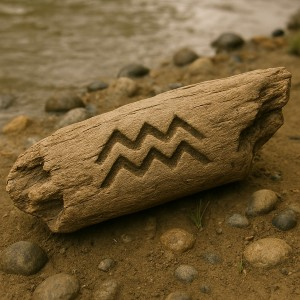
tuméra
Literal meaning: flood, rising water.
Significance: the great tuméra is one of the most significant events in Méri history. During this immense flood, the salt water of the Salaméra, which later people would call the Mediterranean Sea, poured down into the Sudaméra, which we now call the Black Sea. All the fish were killed and lands that were home to thousands of thriving villages were lost.
Structure: tu- (excess, intensifier), méra (sea)
Glyph:
Notes:
The doubling of the glyph corresponds to the prefix tu- meaning excess or greater
The zigzag glyph is a pictogram, representing the waves of the sea
deghóm, demagóma
Literal meaning: formed earth, shaped land
Significance: the earth honoured as the source of food and the place of burial. The name of Deghóm, the main character in the series.
Structure: dema (formed, ordered), góma (clay).
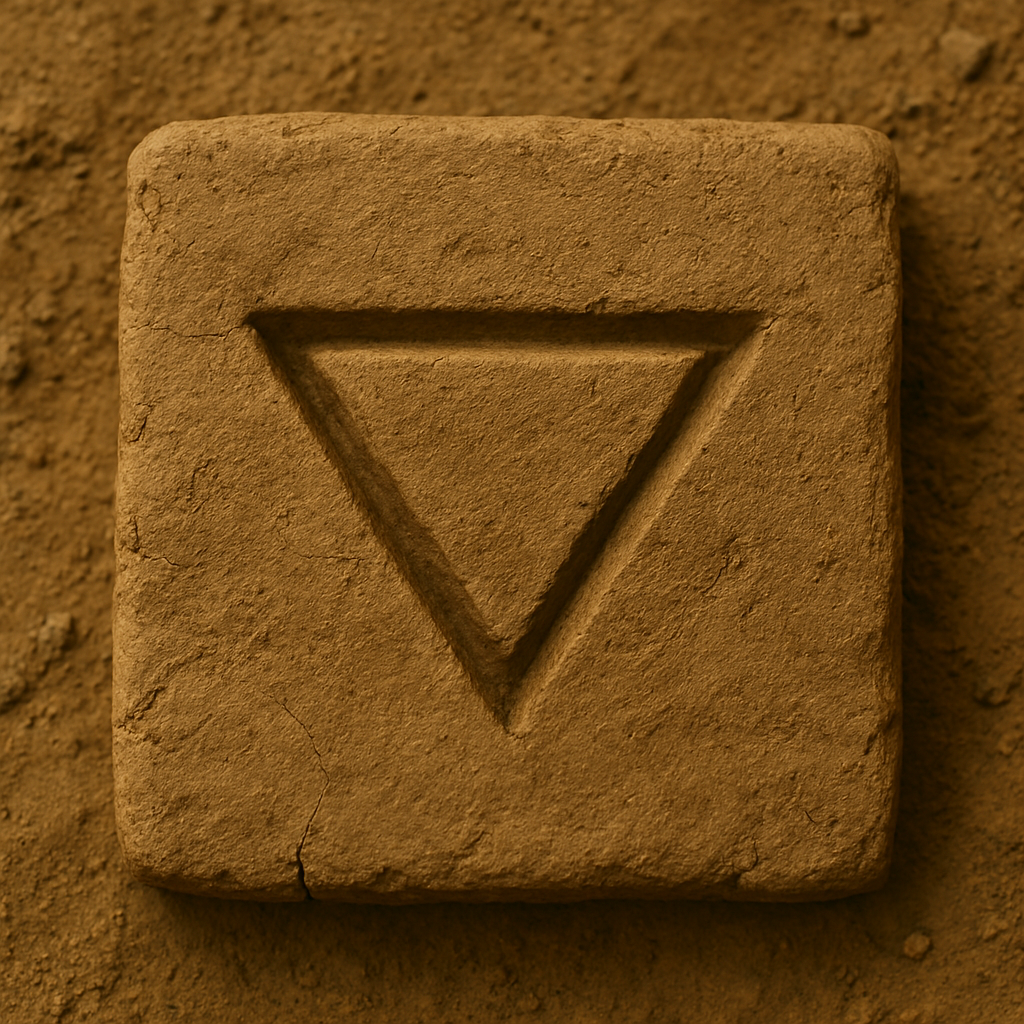
Notes: the downward-pointing triangle suggests the surface of the earth and embedding into it.
Glyph:
Notes:
The form demagóma is standard Méri, spoken in the coastlands.
The form deghóm is a dialect variant from the upland areas near the river Néra (the Black River) where the character Deghóm was born.
déya
Meaning: day, light, sky, shine
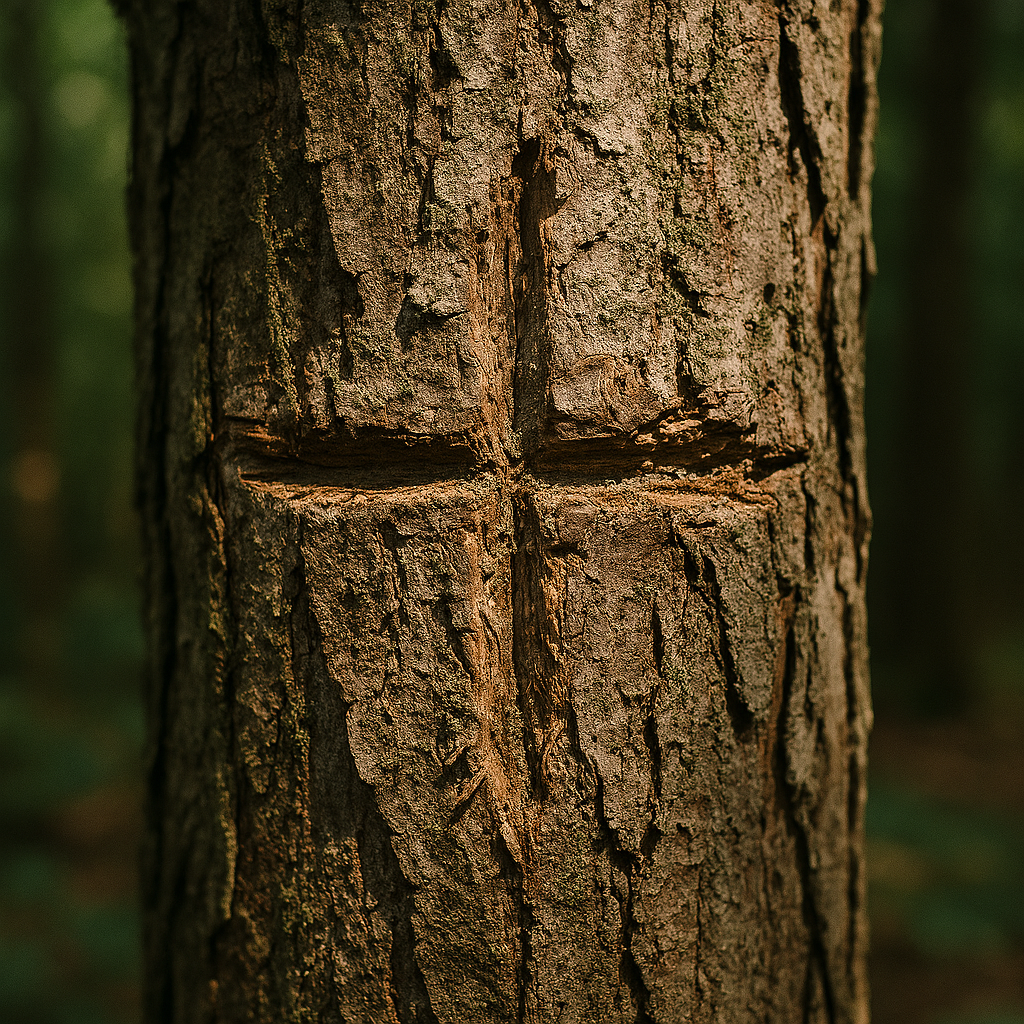
Glyph: vertical cross with equal arms
Structure: word stem
Notes:
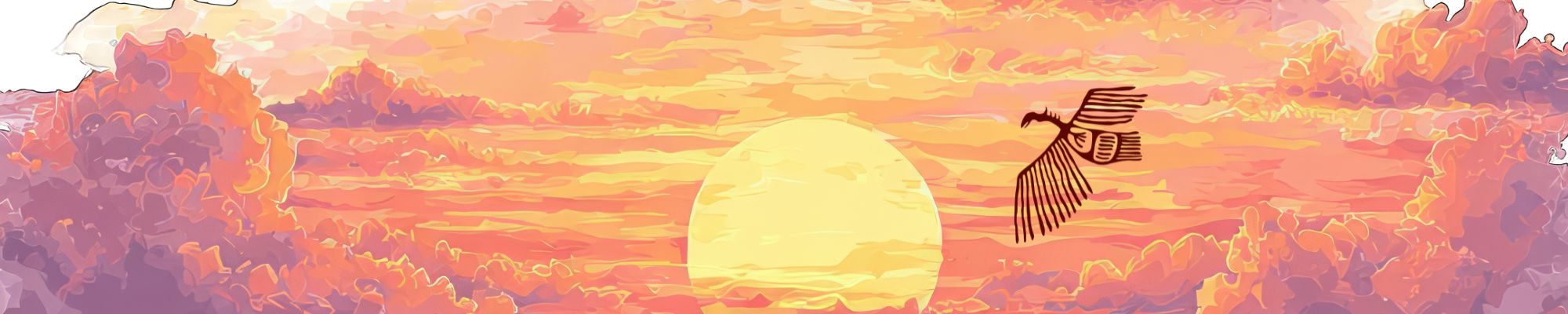
A name expressing respect for the vastness and light of the sky and the cycles of time. Understood in different ways by the various cultures in the series, as a feared sky-force demanding sacrifices and served by birds, the warming fatherly daylight or a vague idea of rhythm and memory.
The four arms represent north, south, east and west, or the four lights: moonlight, sunlight, firelight and rushlight.
Glyph: